

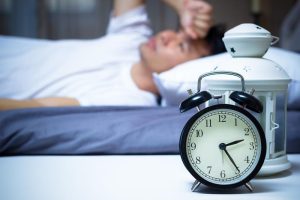
 Sleep, along with good nutrition and exercise, is necessary to sustain life. When sleep suffers, the entire body suffers. Through years of scientific research, we know that sleep disorders left untreated can lead to high blood pressure, heart disease, stroke, inability to concentrate, depression, poor work performance, and traffic accidents. Sleep disorders have also been linked to impaired sugar control and fibromyalgia.
According to recent research:
- About 50 to 70 million Americans suffer chronic sleep disorders, and 40 percent of adults say they fall asleep during the day without meaning to at least once a month. (National Institutes of Health)
- People with sleep apnea were nearly 2.5 times more likely to have motor vehicle accidents than the general population. (American Academy of Sleep Medicine)
- People with sleep apnea have a 45 percent greater risk for hypertension, a major predictor for cardiovascular disease. (American Academy of Sleep Medicine)
- Shift workers are 40 percent more likely to develop cardiovascular disease compared with day workers. (National Institutes of Health)
Sleep Disorders Come in Many Forms
Sleep Apnea and Snoring
Snoring may herald a significant sleep disorder called sleep apnea, where breathing is briefly and repeatedly interrupted. Besides significantly affecting sleep and its restorative benefits, sleep apnea has been associated with increased risk of some very serious medical conditions including stroke and heart disease, congestive heart failure, hypertension, and attention deficit hyperactivity disorder (ADHD) in children.
Insomnia
Insomnia, or the inability to fall asleep, remain asleep or awaken too early, can be a symptom of another disease or a disorder in its own right. Most people tend to have chronic-intermittent insomnia, where they have difficulty sleeping a few nights followed by a few nights of adequate sleep before the problem returns. This can lead to poor quality of life and has been linked to depression.
Restless Leg Syndrome
A disorder characterized by the overwhelming urge to move the legs when at rest, accompanied by unpleasant sensations that are temporarily resolved by movement.
Seasonal Affective Disorder
Seasonal Affective Disorder (SAD) is a type of depression that varies with the seasons, affecting about 10 percent of people in the United States. Seasonal mood changes can be mild or serious, but they can be treated. Read More
CPAP Troubleshooting and Travel Tips
Continuous positive airway pressure (CPAP) is the gold standard for treating sleep apnea. The reason CPAP is the go-to treatment for so many people with sleep apnea is simple: It works. If you have issues with your CPAP, don’t let those problems get your treatment off track! Read More
Sleep Disorders and Major Diseases
Although there is a rapidly growing awareness that sleep disorders are a serious health issue, this understanding is relatively recent. Both general awareness and scientific knowledge about precisely how sleep disorders damage the body are advancing quickly. In many cases, we know that sleep disorders are connected to the development of disease, and we know that effective treatment of sleep disorder is likely to improve their condition.
Heart Disease
Sleep apnea increases blood pressure — both during sleep and during the day — and causes a decrease in oxygen levels in the blood. There is substantial evidence that this decrease in oxygen levels contributes to the development of heart disease, including high blood pressure, heart attacks, strokes and congestive heart failure. Recent sleep research shows:
- Men with apnea developed heart disease three times as much as men without apnea. Those who did not have effective treatment were seven times as likely to develop heart disease as those with effective treatment.
- People who are being treated for both atrial fibrillation (a common type of irregular heart beat) and sleep apnea have a 40 percent chance of needing additional treatment for the atrial fibrillation. If their sleep apnea is untreated, however, the chance that their atrial fibrillation will recur is 80 percent.
- Elderly people with severe sleep apnea have double the risk of stroke compared to people with no apnea or mild apnea.
- People who sleep about five hours a night had a 40 percent higher rate of heart attack than people who sleep eight hours.
Obesity and Diabetes
It is well established that obesity is one of the main causes of sleep apnea, but it may be true that apnea may also play a role in causing obesity and diabetes.
- One recent study showed that sleeping fewer hours at night increases the risk of obesity.
- Children who get one extra hour of sleep may reduce the risk of being overweight.
- Increasing evidences shows that sleep apnea may lead to type 2 diabetes and make diabetes medications less effective.
- People with diabetes often have disturbed sleep. Insufficient or poor quality sleep are associated with poor blood sugar control.
Fibromyalgia
Fibromyalgia causes widespread pain and stiffness in muscles and joints, unrefreshing sleep and chronic fatigue during the day, and difficulty thinking, features that are similar to chronic fatigue syndrome. They may also have chronic headaches, irritable bowel syndrome, and temporomandibular joint (TMJ) disorder. Until recently people with these pain symptoms were often told that it was “all in their head.” Recent research has proven that fibromyalgia does exist and affects and estimated 2-6% of people worldwide. Fibromyalgia patients often The cause of fibromyalgia is still unknown, but the combination of pain and sleep disorders is well established. About 80 percent of people with fibromyalgia have sleep apnea, and many have Restless Leg Syndrome, an unpleasant crawling sensation under the skin of their legs. While it may seem to the patient that the pain causes the sleep disturbances, treatment for sleep disorders usually leads to improvement in the pain symptoms.